General
Complete name : Shirin.m4v
Format : MPEG-4
Format profile : Base Media / Version 2
Codec ID : mp42 (mp42/isom/avc1)
File size : 888 MiB
Duration : 1 h 30 min
Overall bit rate mode : Variable
Overall bit rate : 1 365 kb/s
Frame rate : 25.000 FPS
Encoded date : 2009-12-09 23:29:47 UTC
Tagged date : 2009-12-10 00:31:06 UTC
Writing application : HandBrake 0.9.4 2009112300
Video
ID : 1
Format : AVC
Format/Info : Advanced Video Codec
Format profile : Main@L3
Format settings : CABAC / 2 Ref Frames
Format settings, CABAC : Yes
Format settings, Reference frames : 2 frames
Codec ID : avc1
Codec ID/Info : Advanced Video Coding
Duration : 1 h 30 min
Duration_FirstFrame : 40 ms
Bit rate : 1 200 kb/s
Width : 606 pixels
Height : 516 pixels
Display aspect ratio : 5:3
Frame rate mode : Constant
Frame rate : 25.000 FPS
Color space : YUV
Chroma subsampling : 4:2:0
Bit depth : 8 bits
Scan type : Progressive
Bits/(Pixel*Frame) : 0.154
Stream size : 780 MiB (88%)
Writing library : x264 core 79 r1347 5ddd61b
Encoding settings : cabac=1 / ref=2 / deblock=1:0:0 / analyse=0x1:0x111 / me=hex / subme=6 / psy=1 / psy_rd=1.0:0.0 / mixed_ref=0 / me_range=16 / chroma_me=1 / trellis=0 / 8x8dct=0 / cqm=0 / deadzone=21,11 / chroma_qp_offset=-2 / threads=3 / nr=0 / decimate=1 / mbaff=0 / constrained_intra=0 / bframes=2 / b_pyramid=0 / b_adapt=1 / b_bias=0 / direct=1 / wpredb=0 / wpredp=2 / keyint=250 / keyint_min=25 / scenecut=40 / rc_lookahead=40 / rc=2pass / mbtree=1 / bitrate=1200 / ratetol=1.0 / qcomp=0.60 / qpmin=10 / qpmax=51 / qpstep=4 / cplxblur=20.0 / qblur=0.5 / ip_ratio=1.40 / aq=1:1.00
Encoded date : 2009-12-09 23:29:47 UTC
Tagged date : 2009-12-10 00:31:06 UTC
Color range : Limited
Color primaries : BT.601 NTSC
Transfer characteristics : BT.709
Matrix coefficients : BT.601
Codec configuration box : avcC
Audio
ID : 2
Format : AAC LC
Format/Info : Advanced Audio Codec Low Complexity
Codec ID : mp4a-40-2
Duration : 1 h 30 min
Bit rate mode : Variable
Bit rate : 161 kb/s
Maximum bit rate : 261 kb/s
Channel(s) : 2 channels
Channel layout : L R
Sampling rate : 48.0 kHz
Frame rate : 46.875 FPS (1024 SPF)
Compression mode : Lossy
Stream size : 105 MiB (12%)
Title : Stereo
Language : Persian
Encoded date : 2009-12-09 23:29:47 UTC
Tagged date : 2009-12-10 00:31:06 UTC
Quote:
Pokud jde o šíři výrazového rejstříku, nemá Abbás Kiarostamí mezi režiséry své generace konkurenci. V jeho vyhroceně autorské tvorbě lze nalézt dokumenty (Avaliha, 1989), inscenované rekonstrukce zpráv z černé kroniky (Detail, 1990), klasicky vystavěná rodinná dramata (Kde je dům mého přítele?, 1987) i snímky experimentující s vyprázdněnou narací (Deset, 2002). Člověk by jen těžko našel tvůrce, který během jediného roku napíše scénář ke kriminálnímu thrilleru (Šarlatové zlato Džafara Panahího, 2003) a zároveň natočí důsledně minimalistickou poctu Jasudžiróovi Ozuovi, složenou z pěti čtvrthodinových záběrů, v nichž jediné vzrušení obstarává linie obzoru snímaná nehybnou kamerou, křik ptáků a mořské vlny pozvolna dopadající na pobřeží (Pět, 2003).
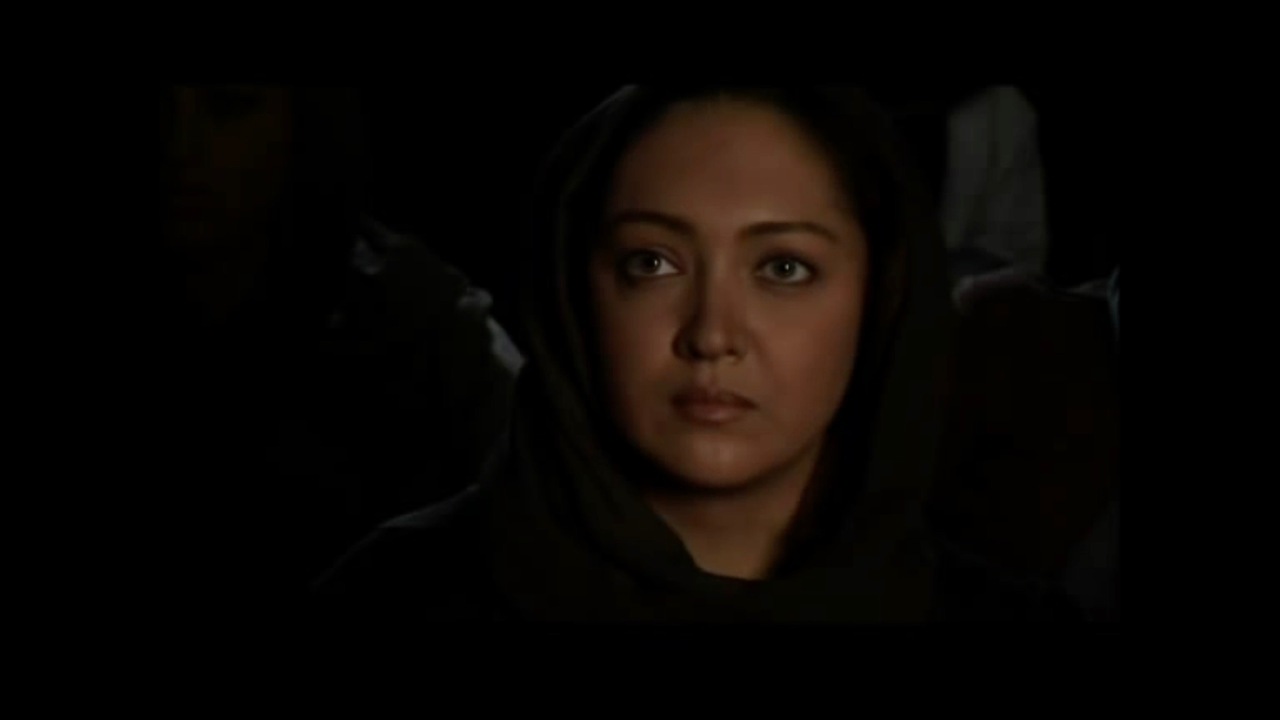
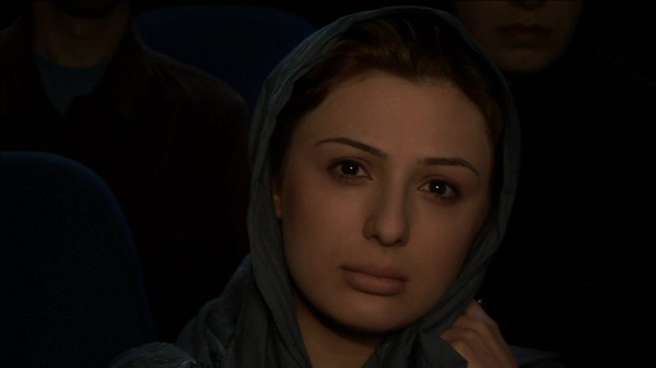
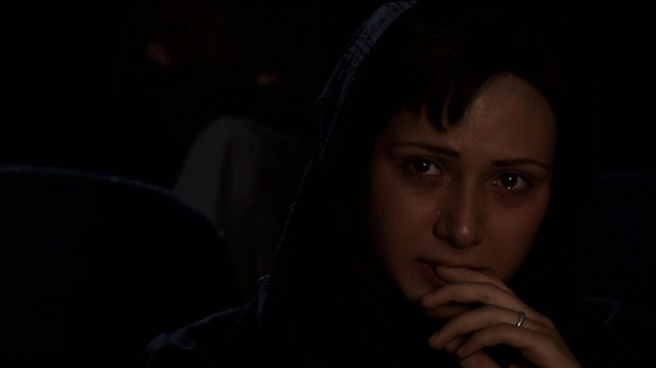
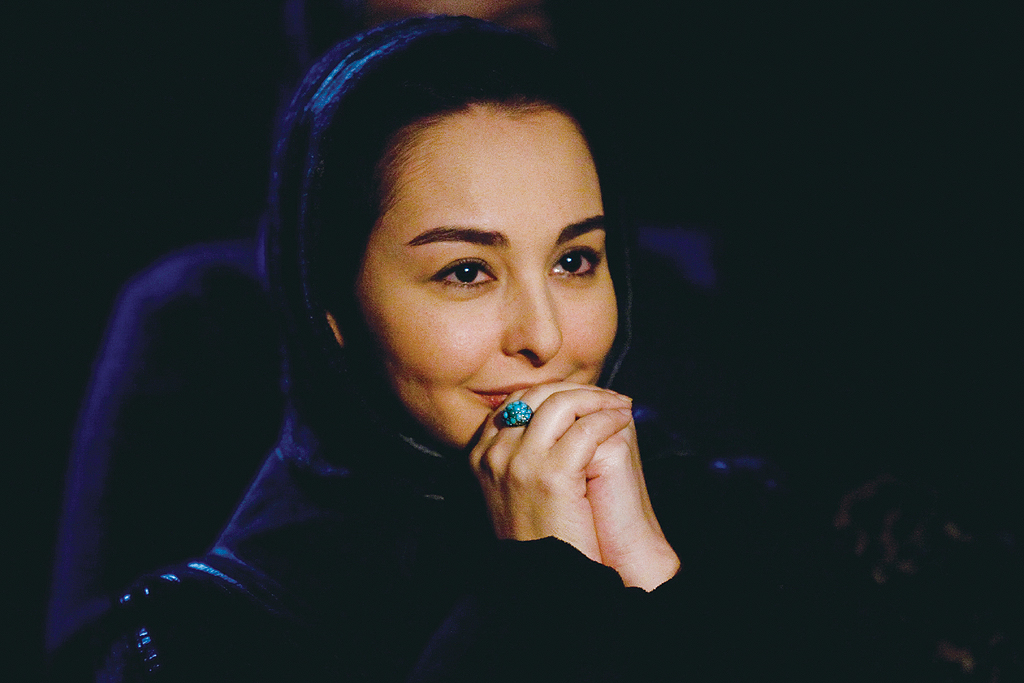
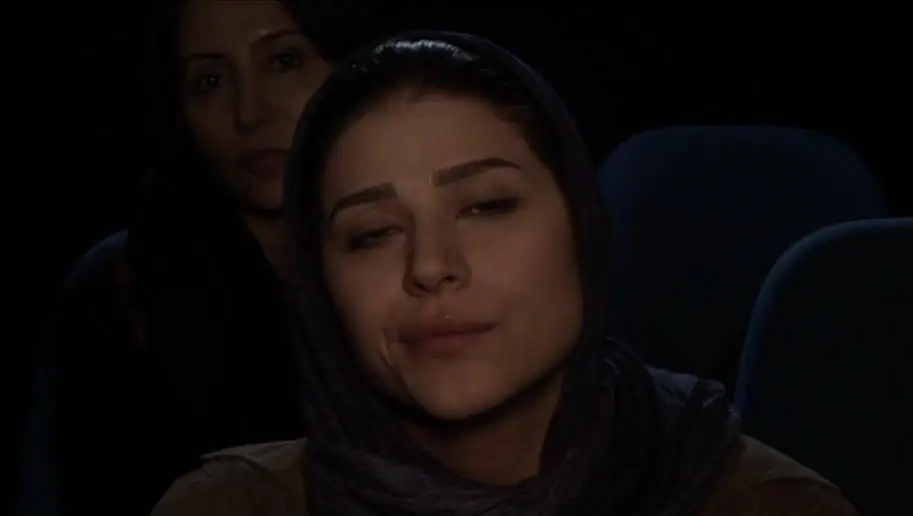
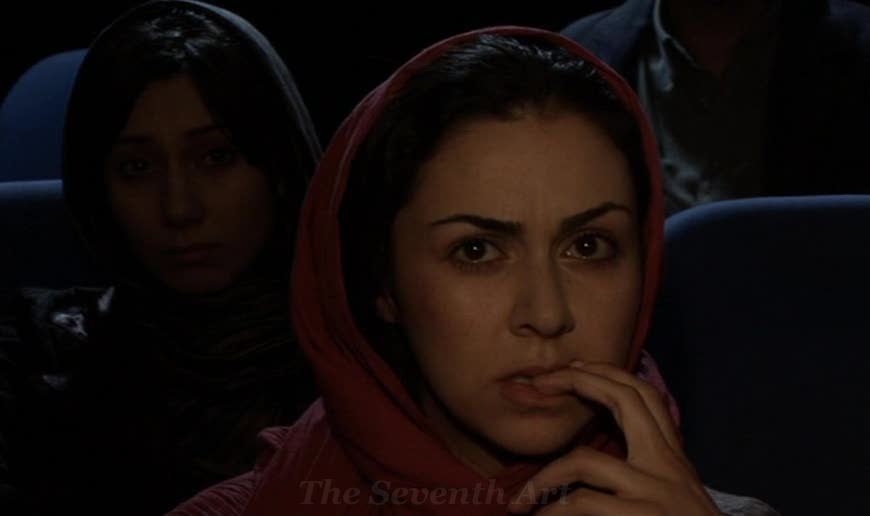
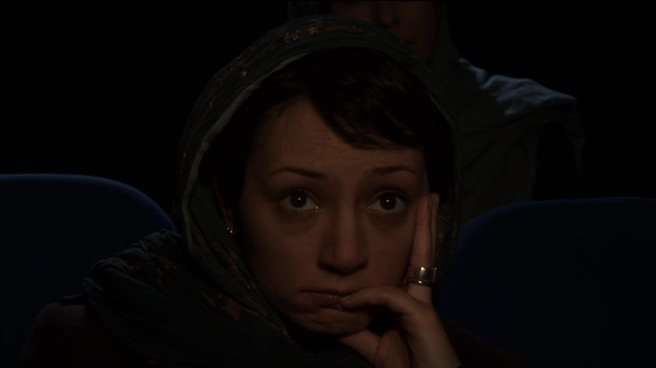
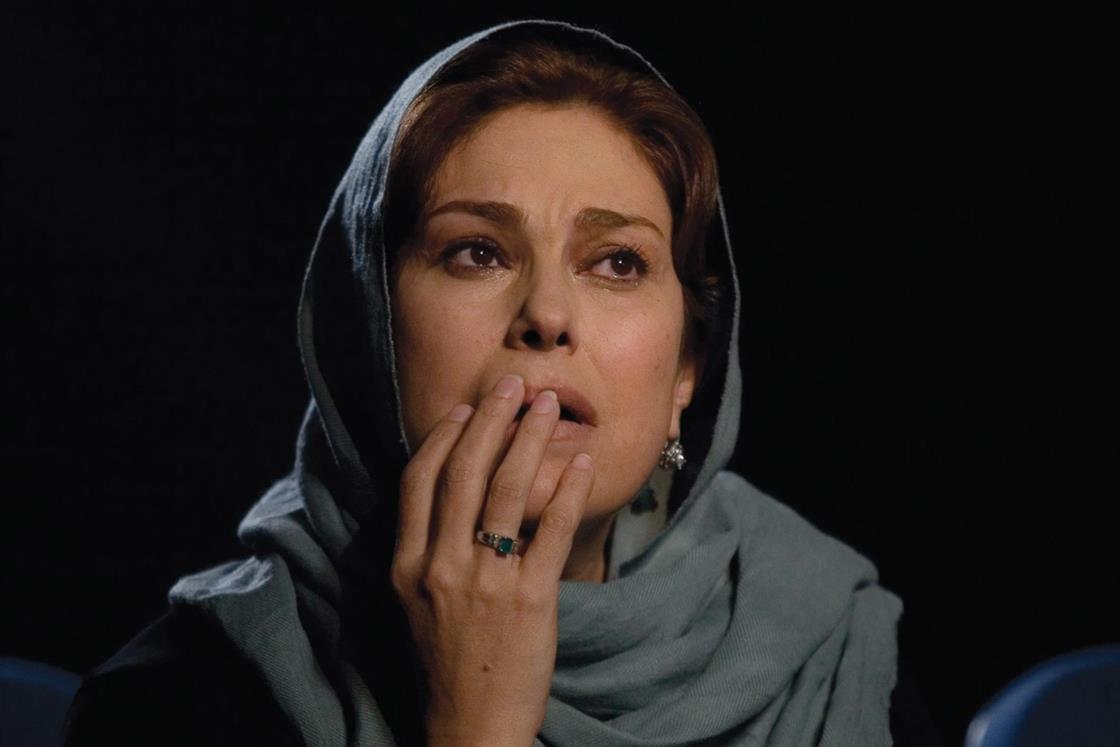
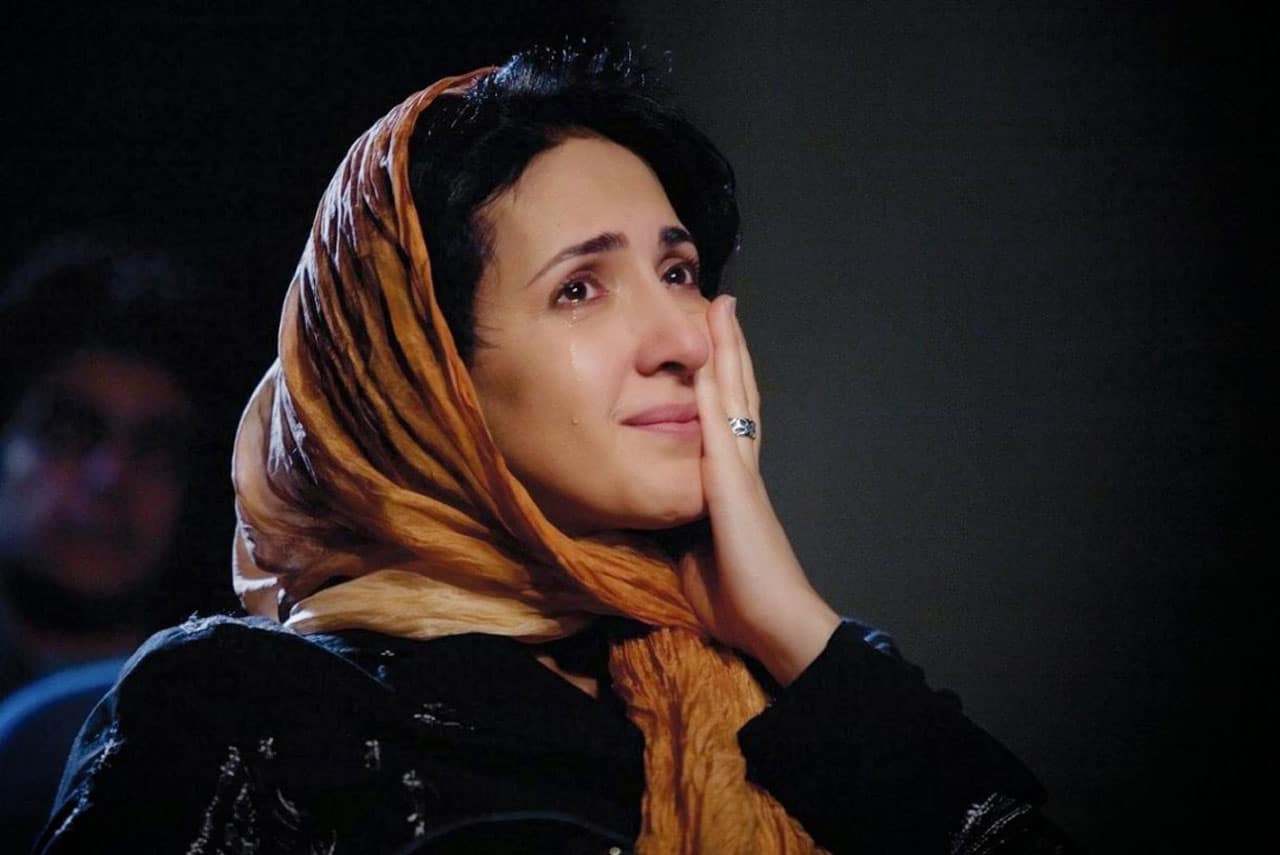
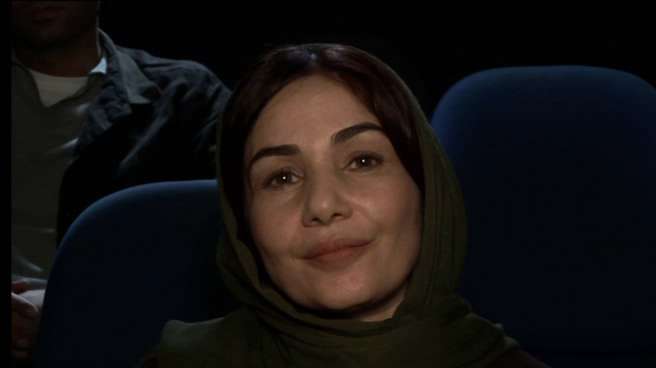
Šírin patří bezpochyby do té druhé - experimentálnější a přirozeně i méně oceňované - větve Kiarostamího tvorby. Po úvodní sekvenci složené ze středověkých miniatur, jež zachycují legendární milostný příběh arménské princezny Šírin a perského krále Chusreva, následuje 85 minut vyplněných detaily ženských tváří upřených na plátno - v jakémsi kině je promítán film o muži, jenž byl pro svou lásku ochoten obětovat trůn a zabíjet přátele, a ženě, které ani její krása nepřinesla štěstí. To vše je však divákům Kiarostamího Šírin skryto - historie milenců k nim doléhá jen skrze zvukovou stopu a chvějivé vlny úsměvů a slz, jež se střídají na obličejích žen v publiku. Jakkoli může koncept Šírin na první pohled působit jako monotónní režisérské cvičení, je zkušenost, kterou sledování tohoto filmu nabízí, ohromující. Jediné a jednoduché - avšak do extrému dovedené - gesto umožňuje režisérovi převracet nejen pozici filmových diváků a hrdinů, ale i obvyklé hierarchie zavedených opozic: tradiční patetický a z mužské perspektivy vyprávěný příběh náhle ve zvoleném úhlu pohledu ustupuje před sérií nevzrušivě intimních a nahlas nevyslovených ženských dramat (paradoxně vyjadřovaných měkkými gesty nejslavnějších íránských filmových hvězd). Filmy svým divákům zpravidla nabízejí jen záplavu útěšných odpovědí - Šírin před ně naopak staví jen otázky. Mezi nimi nejvýrazněji ty, jež se objevují v podtextu mnoha Kiarostamího sebereflexivních snímků: Co je to vlastně film? A co naše životy, jež se v něm občas odrážejí? - Jan Kolář (Letní filmová škola)
Quote:
Jak hodnotit tento film? Fakt nevím, protože něco takového nedokážu porovnat vůbec s ničím. Oceňuji originalitu nápadu. Film připomíná rozhlasovou hru, protože nevidíme, co vidí divačky. A my vidíme ty divačky. Jsou to pěkné divačky, takže je na co koukat a zároveň si můžete dovolit být nepozorní a uniknout do vlastního světa myšlenek a nápadů. Neříkám, že z nudy, ale během filmu jsem vymyslela spousty geniálních nápadů...
Quote:
Pro mě styl tohoto filmu nijak nepřirozený není. Naopak podobným stylem znám spoustu filmů, které jsem slyšel z jiné místnosti. Na samotném konceptu bych však rozhodně ocenil bližší přístup k samotné literární látce, příběhu a fantazii, která, ze zcela zjevných důvodů, nemá ve filmu časté místo; vzniká tak místo pro působení samotného příběhu. Celkově je film podle mě hodně působivý, třebaže po chvíli jsem přestal obličeje na plátně vnímat jako součást vyprávěného příběhu.
Quote:
A frustrating but also endearing piece of difficult simplicity
Filmmakers like David Lynch or early Darren Aronofsky (Pi) have been branded as experimental, extreme, uncommercial. Okay, so their work is occasionally difficult, but at least they know how to reach out to the audience. Abbas Kiarostami's Shirin, on the other hand, gives a new definition to the adjective "experimental", its style being so radical no marketing campaign in the world would be able to endorse it outside a film festival like Venice (which is where I saw the film).
Kiarostami, always a festival favorite, has truly gone where no man's ever been before with his adaptation of a classic Persian story from the twelfth century. The predictably sad tale revolves around a woman, Shirin, and her being coveted by two different men. A yarn as old as humanity, most will say. What can the director do to make it fresh and original?
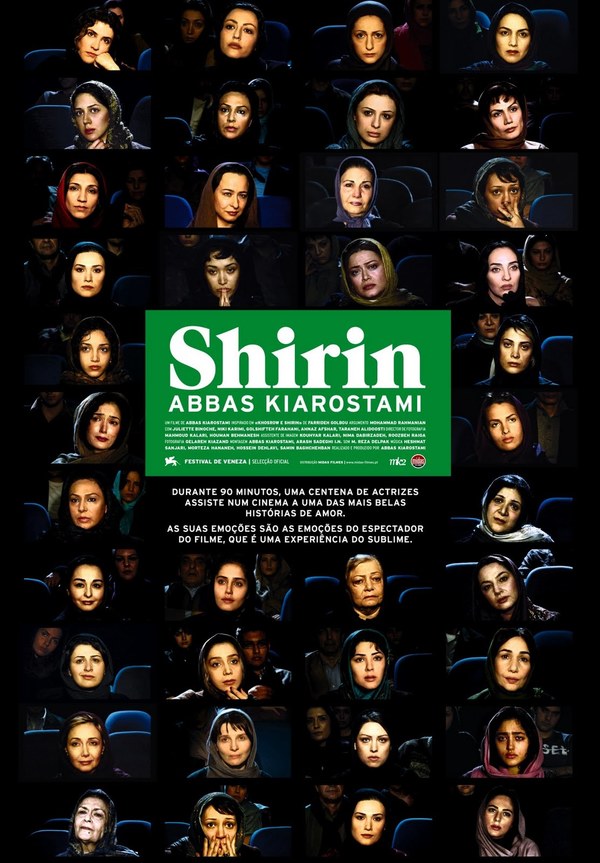
The answer is of the most audacious kind: instead of doing a straightforward movie, Kiarostami chose to film a stage version of the story, with a twist - we never actually see what happens on the stage. The whole 90-minute bulk of the film consists of a series of close-ups of over a hundred Iranian women (plus Juliette Binoche in a three-shot cameo) who are watching the play. All the action takes place off-camera, with voices and sounds allowing us to imagine what we should be looking at.
With such an unconventional approach, Shirin is very simple and at the same time quite difficult. Few, if any, average moviegoers will choose it over something more traditional, and those who do will almost certainly find it boring. That's a pity, because the extreme style does serve a point, although it isn't entirely clear at first. The key to understanding the picture lies in focusing only on the actresses' faces: the minute one stops paying attention to the soundtrack (I was helped in that by the fact that the subtitles were faulty and didn't show up until 40 seconds after the lines had been spoken), it becomes easier to appreciate the simple beauty of Kiarostami's choice and feel a kind of empathy with those women, as if they were the real protagonists (and in a way, they are).
So yes, Shirin is perhaps the most uncommercial film that will ever have been made, but since when does that translate as "unwatchable"? It's an acquired taste, for sure, but after the initial wave of frustration it might be possible to feel a more positive emotion kick in.
Quote:
Kiarostami's Hymn to Women
This is an amazing film.
I knew very little about it when I went except that 'all it showed' was a lot of women's faces watching a film ... What I experienced, however, was a brilliant - and daring - piece of multi-layered cinema. Yes, 'all we watch' are the faces of a group of 140 (apparently) Iranian women - plus Juliet Binoche - watching the traditional story of Shirin, an Armenian Queen.
We hear the soundtrack (and, in my case, read the subtitles) and see the women's reactions. But we never see what they see. They are looking past and beyond us.
The first thing that strikes one is the beauty of - and in - the faces of these women - and how beautifully Kiarostami lights and shoots them. Not to mention the complex and subtle rhythms of the edit. Women from their late teens into their sixties achingly expressive like renaissance portraiture ...Holbein or Velasquez or some of the Dutch masters come to mind ... And even after is had dawned that some, or perhaps all, of these faces might belong to actresses, each cunningly made up, the layers of the film, for me, only deepened: here, after all, is the dialectic of actors being watched - 'as themselves'.
Because, we wonder, are they aware that they are being filmed, watched? Of course. Kiarostami would have explained the set-up to them. That must be why he has managed to persuade so many famous and attractive Iranian women actors to take part; what a show reel for them! But through this choice, the director allows us to watch them while wondering how much they might, at any one point, be 'acting'? How much they are aware from moment to moment, these 'fakers', these 'deceivers', that they are being observed? And when, as they become engrossed in elements of the story, they forgot? And become 'themselves'.
And they do become engrossed. The tears flow. As did mine - watching their tears. They flinch when swords scythe, when heads and hands are chopped off. They lower their eyes with a memory of their own. Or in horror. They smile with recognition. Their faces light up. Darken.
So much is shown. But so much is not revealed. So much work is left to our imaginations.
And of course, there is the whole layer of these women being Iranian. A culture we don't know. Or think we know and dismiss out of hand, or patronise out of our ignorance. Every one of the women - even Juiette Binoche - is wearing a headscarf, headscarves that themselves become expressive of the wearer's individuality. How they drape them. Each one, like each face, unique. How each scarf lies. How each scarf frames the face. How the women themselves move the folds and adjust them, or play with, or arrange the material, unconsciously, as they watch...
And on another level, a deeper level, it's a great choice of Kiarostami's, that the film they are watching is about Shirin, a strong women, a lover, a hero Queen - an epic story crammed with sex, passion, betrayal, longing, lust and all expressed in the most heightened language and emotion. Because, as we watch these women watching, we know that they have, collectively, experienced all of this. Their eyes tell us that. Their tears. Their little smiles of recognition. Their open and child-like faces.
This is the ultimate success of the film. We meet 140 Iranian women. And one French one - also a clever choice ... We have a chance to watch them intimately. We, in the dark, watch them in the dark, watching. We fall in love with them; no less so the older ones, whose faces are etched with life. We know, young and old, they have all lived and had lives and loves and children, some of them, and grief and failures and loss and triumph over odds. And yet we know nothing of their stories. The details. Yet yearn to know them. The unknowable.
This is a film which gives the lie to a million clichés and 'certainties' about Iran, and 'freedom' and Islam and 'The Other'. I do recommend people to find a place to see it. But in a cinema. On a big screen. After all, it's an epic - but on a vibrantly human scale.
Upozornenie: Ziadny zo zobrazených súborov sa nenachádza na tomto serveri. Server slúzi len k síreniu vlastnorucne vytvorených aplikácií, videí, hudby ai. Autori stránok nenesú ziadnu zodpovednost za zverejnené odkazy, komentáre a obsah súborov. Vsetky komentáre, odkazy, súbory ktoré by svojou povahou mohli byt v rozpore zo zákonmi sem vkladáte na vlastnú zodpovednost. Autori stránok si vyhradzujú právo cenzúry odkazov, komentárov príp. súborov, ktoré by svojou povahou mohli byt v rozpore zo zákonmi a dobrými mravmi. Dodrzujte pravidlá!
This torrent is being monitored weekly. If you need a restart, please post a comment. If you have wishes for new uploads of a specific old movie, you can write your wish right here. I do not upload new movies or Hollywood blockbuster.
Na serveru se nenalézají zádne soubory.
Za odkazy jsou výhradně zodpovědní uzivatelé a návstěvníci tohoto trackeru.
Administrátor není zodpovědný za pridaný obsah ani za skody zpusobené uzivateli.
Nesmíte pouzívat tuto webovou stránku pro distribuovaní nebo download zádného materiálu pokud nemáte povolení od príslusného vlastníka práv.
Uzivatelé jsou zodpovědní za dodrzování těchto pravidel a podmínek. Owner má právo kdykoliv změnit pravidla tohoto trackeru.
[ Script trval: 0.017 sec. ] - [ GZIP: enabled ] Je zhruba 21:33 sql DMCA


 VIP
VIP





 - Mediainfo